
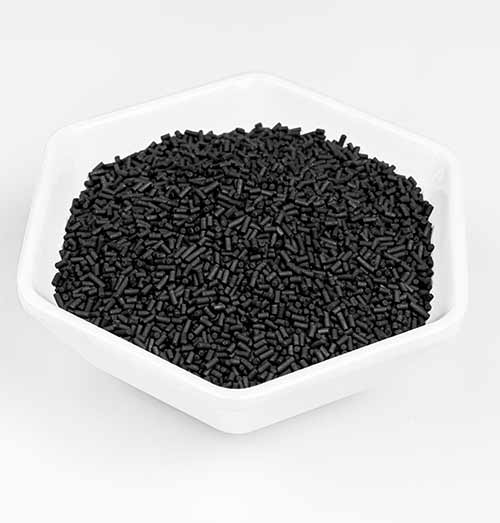
Carbon Molecular Sieve (CMS) is the core consumable of PSA nitrogen generators. Once poisoned, it leads to reduced nitrogen output, insufficient gas purity and rising air-to-nitrogen ratio, shortening service life significantly. The five common poisoning causes are water soaking, oil fouling, acid gas corrosion, high-temperature degradation and dust coking. Most operators only spot CMS pulverization while ignoring poisoning as the root cause. This article analyzes symptoms, causes and field solutions for each failure.
|
Type of Poisoning |
Symptoms |
Causes |
Solution |
|
Water Flooding Poisoning |
Lower N₂ purity & output; CMS caking; higher air-nitrogen ratio |
Poor air drying; condensed water or moisture backflow |
Long-time no-load purging; hot air drying; repair pre-drying system |
|
Oil Contamination Poisoning |
Black & sticky CMS; permanent capacity drop; unable for 99.99% high purity |
Compressor oil leakage; failed pre-oil filtration |
Light pollution: high-temperature N₂ regenerationHeavy pollution: replace full CMS and filters |
|
Acid Gas Corrosion Poisoning |
Brittle CMS; more powder; higher tower pressure drop; low N₂ recovery |
Sulfide & acidic gas in raw air erodes carbon structure |
Replace corroded CMS; add activated carbon pre-filter |
|
High-Temperature Degradation Poisoning |
Fragile CMS; failed high-purity nitrogen production; performance decay |
Overheated inlet air (>45℃); poor heat dissipation |
Control inlet temperature at 20–35℃; replace thermally damaged CMS |
|
Dust Coking Poisoning |
High tower pressure difference; blocked pores; reduced gas yield |
Dust and organic residue coking inside micropores |
Screen and regenerate CMS; install intake dust filter |
In short, proper inlet air pretreatment against water, oil, acid and dust is the key to avoid CMS poisoning and keep long-term stable adsorption efficiency. Effective pre-treatment helps maintain consistent nitrogen purity and rated gas output, greatly extending the service cycle of carbon molecular sieve.
Veuillez continuer à lire, restez informé, abonnez-vous et nous vous invitons à nous dire ce que vous en pensez.

Droit d'auteur
@ 2026 Chizhou Shanli Tamis Moléculaire Co., Ltd. Tous droits réservés.
 RÉSEAU PRIS EN CHARGE
Hi! Click one of our members below to chat on